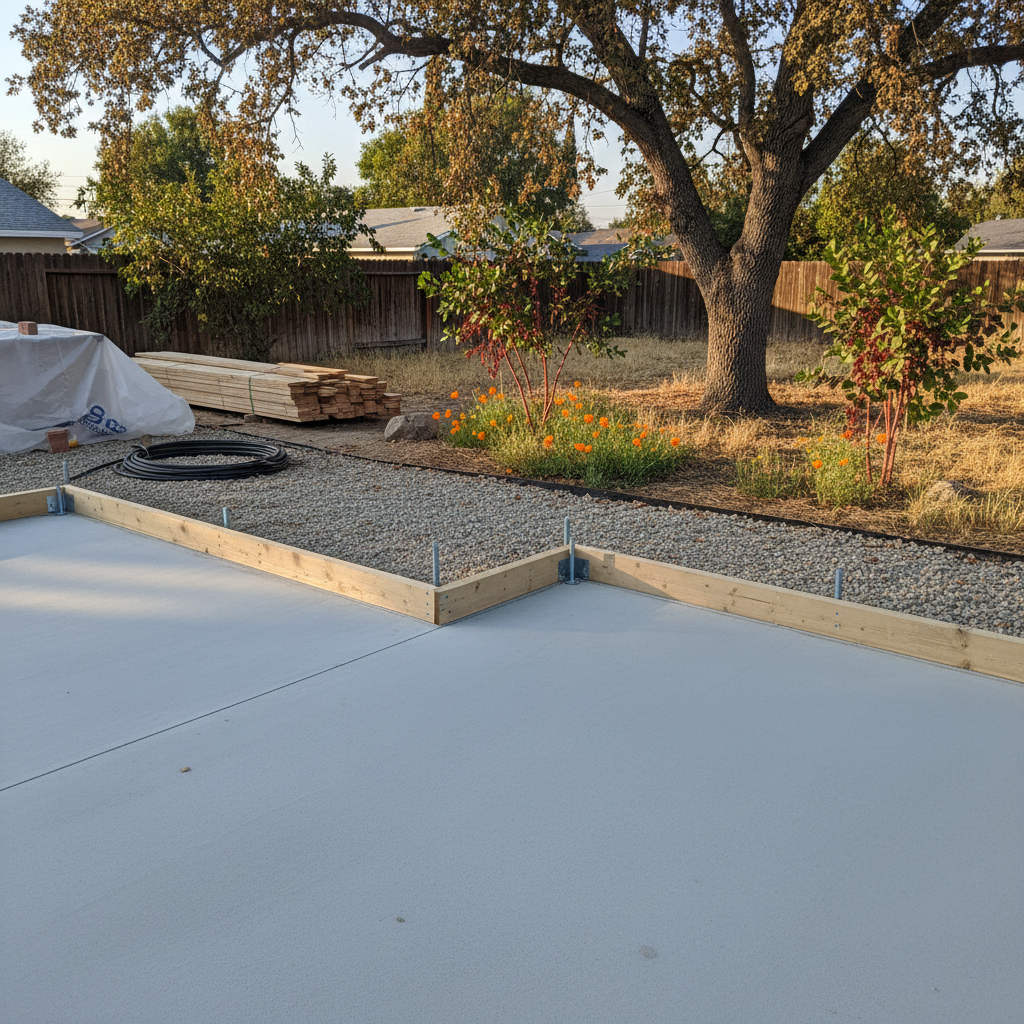
Alright, let's talk ADU site assessments. I get a lot of questions about this part of the process, and honestly, it can feel a bit like a black box if you haven't been through it before. But it's crucial for getting your project off the ground right. It's not just some hoop the city makes you jump through; it's about understanding your property so you don't run into nasty surprises down the road. I'm going to break down some of the most common questions I hear from homeowners right here in Fresno.
What exactly is a site assessment anyway?
Simply put, a site assessment is a detailed look at your property. We're trying to figure out what's possible for an ADU and what challenges you might face. It's not just walking around with a tape measure, you know? We're checking things like where your utilities are, how your lot slopes, if there are any easements, and what the soil's like. Think of it as the detective work before construction even starts. This helps us design an ADU that fits your property, meets city rules, and doesn't cost you an arm and a leg because we missed something obvious.
Do I really need one if I know my property well?
Yes, you absolutely do. Look, I get it. You've lived in your home for years, maybe decades. You know where the sprinkler lines are, where the old oak tree is, and maybe even where that old septic tank used to be if you're in an older part of town like the Tower District. But a professional site assessment goes way beyond that. We're looking at things like zoning overlays, setback requirements specific to ADUs, potential flood zones, and the exact location of underground utilities that aren't just for your house but serve the whole street. We also check for things like overhead power lines that might interfere with construction or even the finished structure. It's about official data, not just personal knowledge.
What kind of professionals are involved in a site assessment?
It's usually a team effort, depending on what we find. You'll definitely have a good contractor like us at Integrity ADU doing an initial walk-through and evaluation. We're looking at the big picture. Then, you might need a land surveyor to map out your property lines, easements, and topography precisely. An engineer, often a civil or structural engineer, comes in to assess things like drainage, foundation needs, and sometimes even the soil if we suspect issues. Sometimes an arborist is needed if you have significant trees that might be impacted. It's not always every single one of these folks, but it's rarely just one person.
How long does a typical site assessment take?
The actual time spent on your property for the initial assessment might only be a few hours. But the whole process, from scheduling the right professionals to getting all the reports back and compiling the findings, can take anywhere from a couple of weeks to over a month. It really depends on the complexity of your lot and how quickly we can get the necessary surveys or engineering reports done. For example, if we need a detailed topographical survey because your lot has a significant slope, that adds time. If we hit a snag and need a deeper dive into soil conditions, that'll stretch it out too.
What are the biggest red flags you look for during an assessment?
Oh, there are a few common ones that can really throw a wrench in the works. Easements are a big one – if there's a utility easement running right through where you want to build, that could be a deal-breaker or force a major redesign. Significant slopes can mean expensive retaining walls or specialized foundations. Poor soil conditions, especially the expansive clay soils we sometimes see around here in Fresno, mean extra engineering and foundation work. Existing structures that are too close to property lines or in poor condition can also be a headache. And don't forget about utility capacity; sometimes the existing water, sewer, or electrical lines just aren't big enough to handle an additional dwelling unit without costly upgrades.
Can a site assessment tell me if my project is even feasible?
Absolutely, that's one of its main goals. Before you sink a ton of money into architectural plans, the site assessment gives us a solid understanding of whether your ADU vision is even possible on your specific lot. It helps us identify potential roadblocks early on, so we can either design around them or, in rare cases, tell you that an ADU might not be practical for your property. It’s like getting a green light or a yellow light before you hit the gas on your project. It saves you time, money, and a whole lot of frustration down the line.
What happens after the site assessment is complete?
Once we've gathered all the information, we'll sit down with you and go over the findings. We'll explain any challenges we found, what they mean for your project, and what your options are. This is where we start to really dial in the design. We'll use the assessment data to create a preliminary design that works with your property's unique characteristics and meets all the city's requirements. It helps us give you a much more accurate estimate for the total project cost too, because we've accounted for those site-specific challenges. It's the information that lets us move forward with confidence, knowing we're building something solid and compliant.