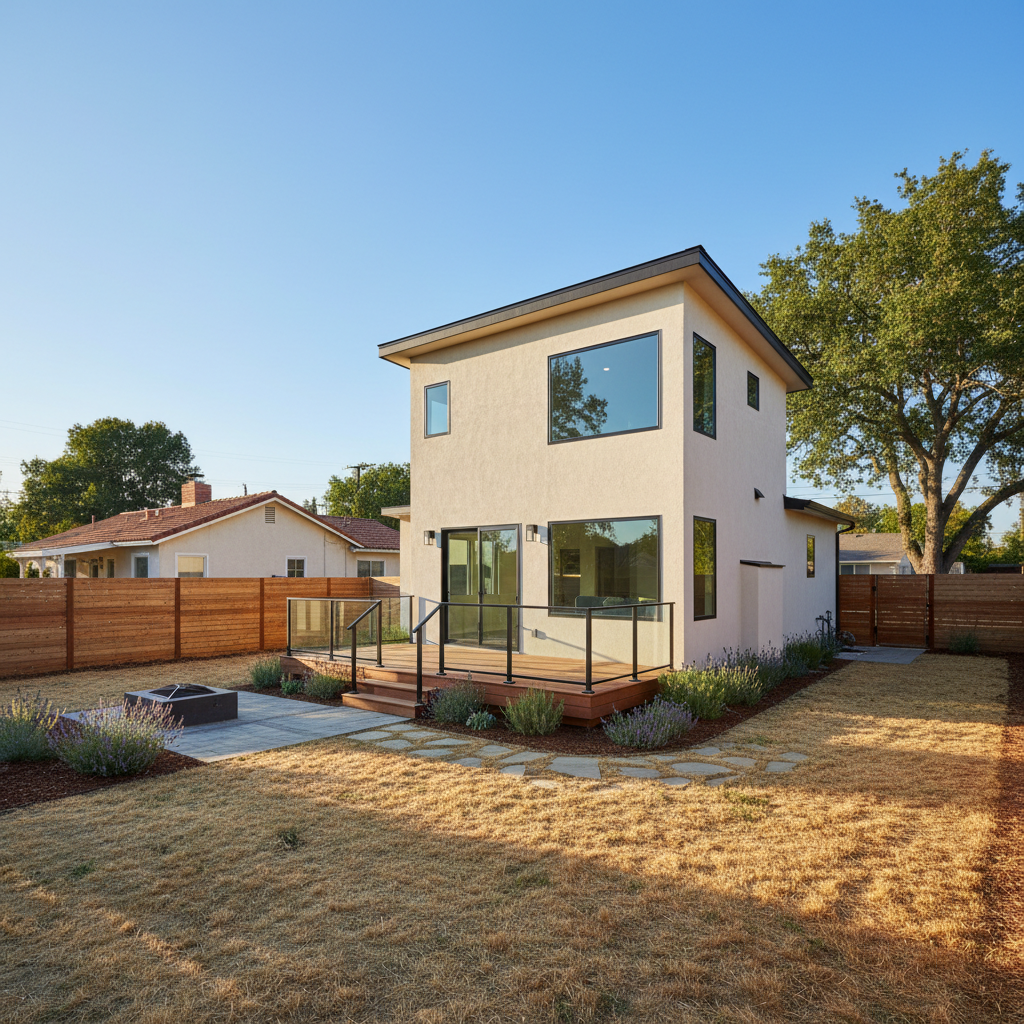
Alright, let's talk ADUs and the engineering part of the whole deal. I've been in this business a long time, right here in Fresno, and I've seen a lot of projects go sideways because folks didn't quite get the engineering piece sorted out. It's not the most glamorous part of building an ADU, I'll grant you that, but it's absolutely crucial. Skipping steps or making bad calls here can cost you big time down the road. So, what are the biggest mistakes I see homeowners making when they're getting ready for or hiring for their ADU engineering?
Mistake #1: Thinking Engineering is Just a Stamp
This is probably the most common one. People think engineering is just some guy or gal who looks at your plans, signs off on them, and then you're good to go. Nope. Not even close. Structural engineering, civil engineering, sometimes even mechanical or electrical engineering — they're all about making sure your ADU is safe, sound, and meets every single code requirement. It's about designing the foundation to handle our local expansive clay soils, making sure the roof can take a load, figuring out drainage, and connecting utilities properly. It's problem-solving, not just rubber-stamping. If you treat it like a formality, you're setting yourself up for headaches, delays, and unexpected costs when the city plan checker inevitably sends your plans back for corrections. Believe me, they will.
Mistake #2: Not Getting a Geotechnical Report When You Should
Okay, this ties into the first point, but it's so important it deserves its own mention. Fresno's soil can be tricky. We've got areas with a lot of expansive clay, especially out towards the northeast or around some of the older parts of town. This stuff swells when it gets wet and shrinks when it dries out, which can wreak havoc on foundations if they're not designed for it. A geotechnical report isn't always required for every ADU, but if your engineer or contractor suggests it, don't skimp. It tells you exactly what's going on underground, so your structural engineer can design a foundation that won't crack or settle. Ignoring this advice is like building a house on quicksand and hoping for the best. It's a relatively small upfront cost that can save you tens of thousands in foundation repairs later.
Mistake #3: Hiring the Cheapest Engineer Without Vetting Them
Look, I get it. Everyone wants to save a buck. But engineering is not the place to go bargain hunting purely on price. You need an engineer who understands residential construction, specifically ADUs, and even more specifically, ADUs in Fresno. An engineer who mostly does commercial high-rises might not be the best fit for your backyard dwelling. Ask about their experience with ADUs. Ask for references. Check their license. A good engineer will communicate clearly, explain their designs, and be responsive to questions from you and your contractor. A cheap, inexperienced, or overloaded engineer can drag out your project with slow responses, incomplete plans, or designs that are overly complex and expensive to build. You're paying for expertise and efficiency here, not just a set of drawings. What's the point of saving a few hundred bucks if it costs you months of delays?
Mistake #4: Not Coordinating Engineering with Your Architectural Plans
This sounds obvious, right? But I see it all the time. Homeowners get excited about their architectural drawings — the floor plan, the look of the place — and they don't bring the engineer into the conversation early enough. Or, they have an architect who doesn't communicate well with the engineer. The best scenario is when your architect and engineer are working together from the get-go. The architect designs the space, and the engineer figures out how to make it stand up safely and efficiently. If these two aren't talking, you can end up with structural elements that interfere with your layout, or designs that are impossible or ridiculously expensive to build. It's a team effort, and you're the coach. Make sure your players are communicating.
Mistake #5: Not Understanding the Scope of Engineering Work
When you get a quote for engineering, make sure you know exactly what's included. Is it just structural? Does it cover civil engineering for grading and drainage? What about utility connections — water, sewer, electrical? Sometimes, engineers will quote a low price for just one piece of the puzzle, and then you're scrambling to find someone else for the rest, or paying extra for add-ons. Get a clear breakdown. Ask questions like,