So, you're thinking about adding an attached ADU to your place right here in Fresno. That's a smart move, no doubt about it. Maybe it's for family, or you're eyeing some rental income, or you just need more space. Whatever the reason, it’s a big project. A lot of folks, though, wonder: "How much of this can I actually do myself?" Good question! The answer isn't always super clear. Let's break down what you need to know before, during, and after the build. We'll also figure out where your DIY skills might save you some cash and when you absolutely, positively need a licensed contractor.
Before You Even Start: The Planning & Paperwork
This stage is where most homeowners can really save themselves a ton of headaches – and a little money, too – just by doing some legwork. You won't be swinging a hammer yet, but you're definitely laying the groundwork for everything else.
- Research Zoning & Permits: You can't skip this. The City of Fresno has specific rules for ADUs, and you need to know them. Spend some time on their website, look up your property's zoning, and get a handle on the general requirements. This isn't just a suggestion; it's the first big hurdle. You'll need to understand things like setbacks, height limits, and where you can park.
- Budgeting & Financing: You can totally put together a detailed budget on your own. Get quotes for materials, estimate labor costs (even for the parts you plan to do yourself), and figure out how you're going to pay for it all. Oh, and don't forget a contingency fund – because something always pops up, right?
- Basic Design Ideas: Sketch out what you want. Look at floor plans online. Get a good feel for the layout you're after. This really helps when you finally talk to an architect or designer. You don't need to be an expert, but having a clear vision makes things easier for everyone involved.
What you probably *can't* do yourself at this stage are the actual architectural drawings and engineering. Those need to be stamped by licensed professionals. Honestly, trying to DIY your blueprints for a permit application is just asking for rejection and wasted time. That's a pro job, every single time.
During Construction: Where the Rubber Meets the Road
This is where the "DIY vs. Pro" line starts to get a little fuzzy. Some things are definitely within a capable homeowner's reach, but others are just too risky or complex to tackle.
- Demolition (But Be Careful!): If you're converting an existing space, like a garage, you can often handle the interior demo yourself. Tearing out old drywall, cabinets, or flooring can save you on labor. Just make absolutely sure you know what's behind those walls. No load-bearing structures, no live electrical wires, and no plumbing you don't know how to shut off. If there's any doubt, stop and call a pro.
- Non-Structural Framing: If you're building out new interior walls that aren't load-bearing, and you're comfortable with a tape measure, level, and saw, you might be able to frame these. But anything structural – anything that holds up the roof or a second story – is for the pros. Period. You really don't want your ADU sagging during one of our hot Fresno summers.
- Insulation & Drywall: Installing insulation can be a DIY task. It's tedious, yes, but generally pretty straightforward. Hanging drywall can also be done by a homeowner, especially if you can rope a friend into helping. Finishing drywall (taping, mudding, sanding) is an art form, though. You can certainly try, but a professional finisher will make it look absolutely seamless, which is often worth the extra cost for a clean finish.
- Painting: This is a classic DIY job. Most homeowners can paint walls and trim without much trouble. It's time-consuming, sure, but doesn't require any specialized licenses.
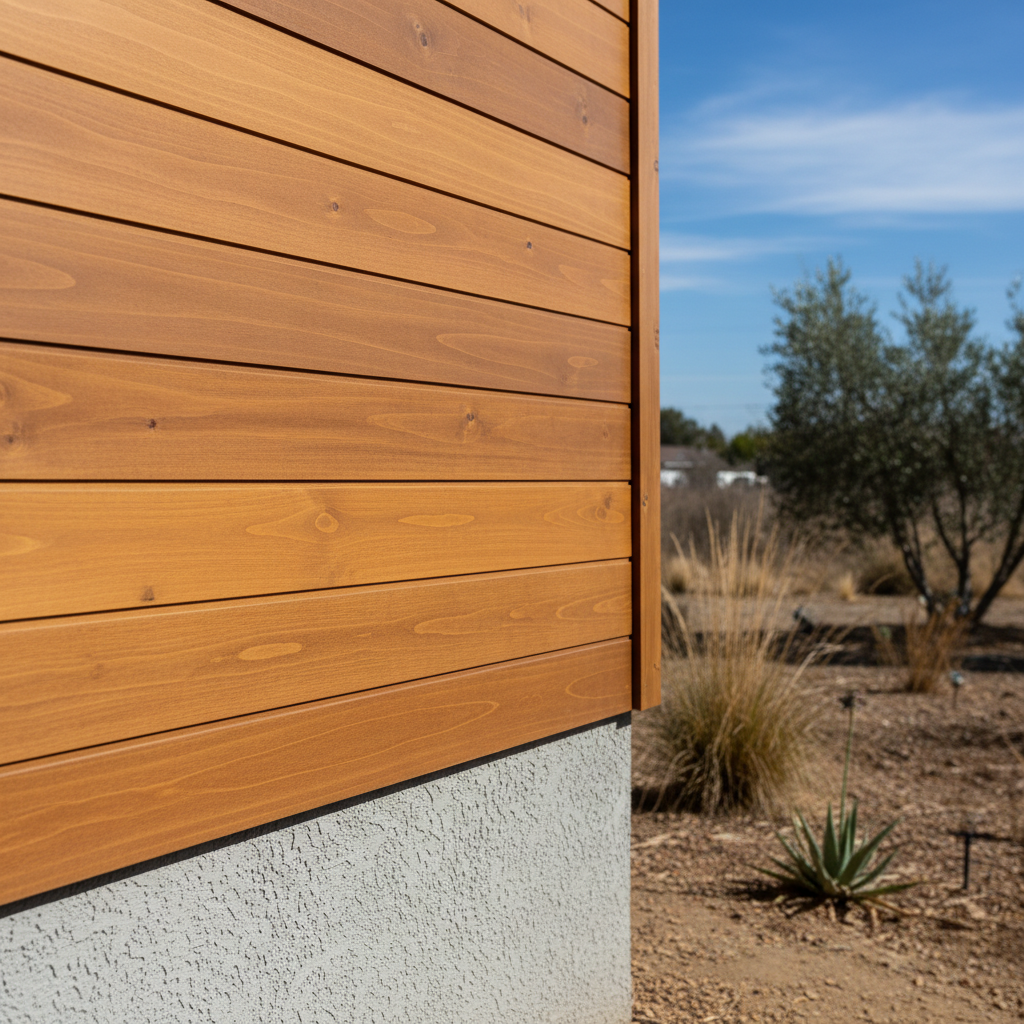
- Landscaping & Exterior Finishes: Once the structure is done, you can definitely handle things like laying sod, planting, or even building a small patio. Exterior painting or siding repair can also be DIY, depending on your comfort level and how high up you need to work.
Now, what you absolutely should NOT DIY during construction:
- Electrical Work: Unless you're a licensed electrician, just stay away from wiring. This isn't just about getting it to work; it's about safety, fire hazards, and passing inspection. Messing this up can have serious, dangerous consequences.
- Plumbing: Similar to electrical, plumbing needs to be done right. Leaks, improper venting, or incorrect connections can lead to major water damage, mold, and all sorts of health issues. Call a licensed plumber.
- HVAC Installation: Heating and cooling systems are complex beasts. Proper sizing, ductwork, and refrigerant handling all require specialized knowledge and tools. You want your ADU to be comfortable, especially with our triple-digit heat, so get a pro.
- Roofing: Unless it's a very small, simple repair on a single-story structure, leave roofing to the experts. It's dangerous work, and a poorly installed roof leads to leaks and bigger problems down the line.
- Foundation Work: This is the base of your entire structure. Any errors here can compromise the whole building. This is 100% a job for experienced contractors.
After Construction: The Finishing Touches & Maintenance
Once the heavy lifting is done, there's still plenty you can do. Cleaning, installing fixtures like light switches and outlets (after a pro has wired them, of course), putting in flooring (like LVP or laminate), and even building shelves are all great DIY projects. You can save a lot on labor here.
For ongoing maintenance, well, you're the homeowner, so you'll be handling most of it. But for anything that involves the systems – HVAC, plumbing, electrical – it's smart to have a professional check-up every few years. Just like your car, preventative maintenance saves money in the long run.
Look, building an attached ADU is a big undertaking. You can save money by being smart about what you tackle yourself, but don't be penny-wise and pound-foolish. For anything that involves structural integrity, safety, or requires a licensed trade, bring in the experts. Companies like Integrity ADU specialize in these projects, and we've seen firsthand what happens when folks try to cut corners where they really shouldn't. Your home and your family's safety are absolutely worth the investment in professional help.